PLUMBING=FLOW
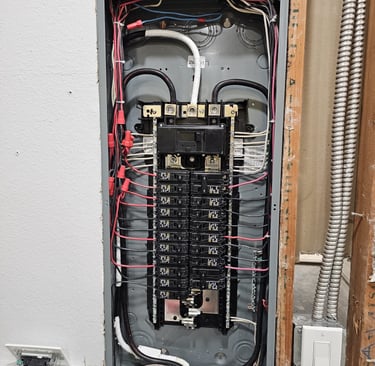
ELECTRICITY=POWER
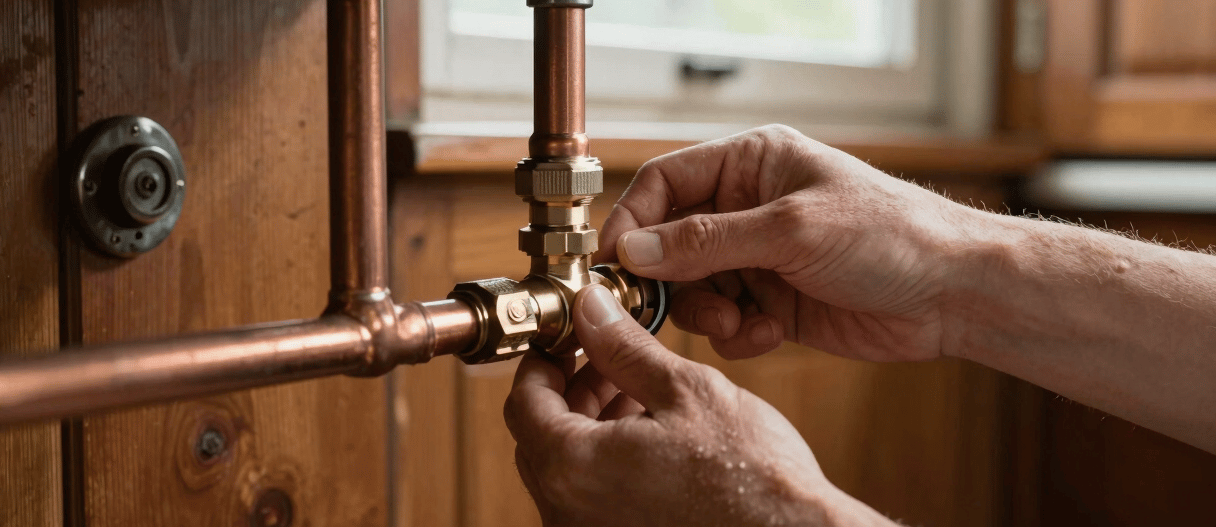
PLUMBING=FLOW
1. Flickering or dimming lights
Often caused by loose connections, overloaded circuits, or aging fixtures. Fixing this improves lighting stability and prevents further electrical strain.
2. Dead outlets or switches
Outlets that stop working may have loose wiring, tripped breakers, or internal wear. Repair restores power access and convenience.
3. Loose or damaged wall outlets
Outlets that move or feel “loose” can be a fire risk. Tightening or replacing them improves safety.
4. Tripping circuit breakers
Frequent trips often indicate overloaded circuits or faulty appliances. Identifying and redistributing load improves system reliability.
5. Faulty light switches
Switches that don’t respond properly or spark when used can be replaced to restore safe control of lighting.
6. Overheating outlets or plugs
Warm or hot outlets may indicate wiring issues or overloads. Repair helps prevent fire hazards.
7. Broken or outdated light fixtures
Replacing or repairing fixtures improves both safety and home aesthetics.
8. Ceiling fan not working properly
Wobbling, noise, or failure to start can often be fixed through balancing, wiring checks, or capacitor replacement.
9. Improper or missing grounding
Adding or correcting grounding helps protect appliances and reduces shock risk.
10. Extension cord overuse issues
A handyman can help install additional outlets so the home doesn’t rely on unsafe extension cord setups.
11. Outdoor lighting problems
Fixing patio, garden, or security lights improves safety and visibility around the home.
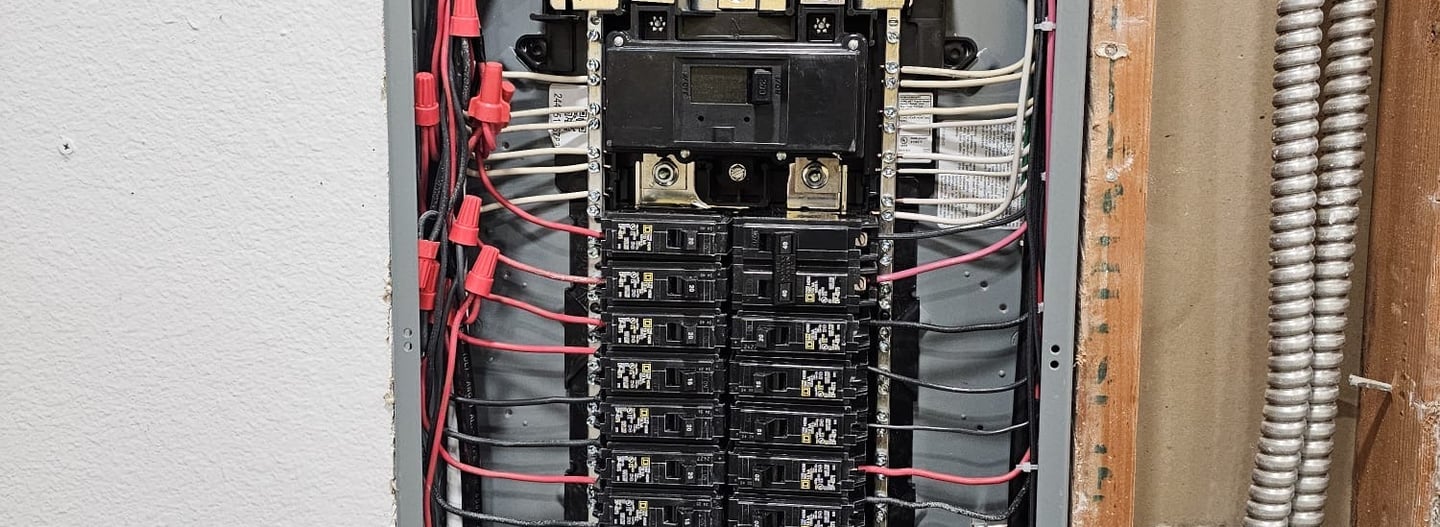
12. Loose electrical panels or covers
Securing panels ensures safer access and reduces exposure to live wires.
1. Leaky faucets
Small drips waste water over time and can increase bills. Repairing washers, cartridges, or seals restores proper flow.
2. Running toilets
A constantly running toilet usually comes from a faulty flapper, fill valve, or float. Fixing it saves water and prevents noise and waste.
3. Clogged sinks or drains
Kitchen and bathroom drains can slow or block due to grease, hair, or debris. Clearing them restores proper drainage.
4. Low water pressure
Often caused by mineral buildup, leaks, or partially closed valves. Restoring pressure improves daily water use.
5. Leaky pipes under sinks
Small pipe leaks can lead to mold, cabinet damage, and odors. Tightening or replacing fittings prevents long-term damage.
6. Dripping showerheads
Worn seals or mineral buildup can cause continuous dripping. Repair improves efficiency and comfort.
7. Clogged or slow toilets
Partial blockages can often be resolved with proper tools and minor repairs before they become major backups.
8. Faulty sink or tub stoppers
Broken stoppers affect water retention and drainage. Replacing or adjusting them restores proper function.
9. Loose or leaking pipe joints
Connections under sinks or behind walls can loosen over time, causing hidden leaks and moisture issues.
10. Garbage disposal issues
Jammed or non-working disposals can often be reset, cleared, or repaired without full replacement.
11. Outdoor hose bib leaks
Dripping exterior faucets waste water and may cause foundation or yard damage if ignored.
12. Minor water heater issues (basic maintenance)
Sediment buildup or thermostat issues can sometimes be addressed with basic servicing or adjustments.
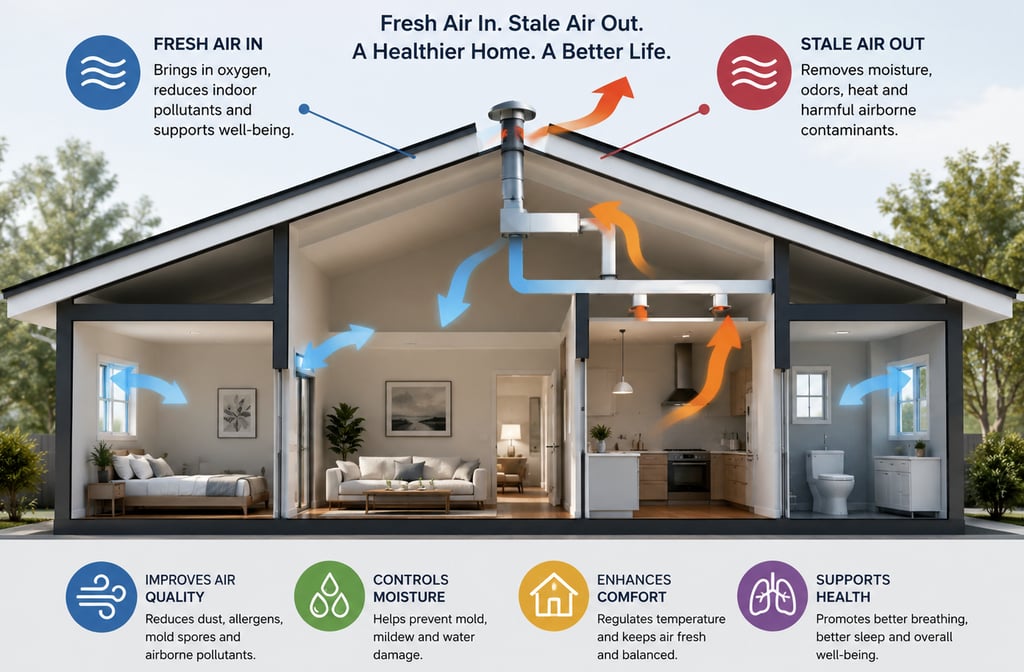
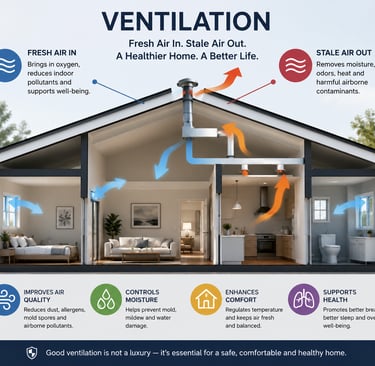
VENTILATION=BREATH
1. Cleaning air vents and return grills
Dust, dirt, and debris build up inside vents over time. Cleaning them improves airflow and reduces allergens in the home.
2. Replacing or installing vent covers
Broken or outdated vent covers restrict airflow and collect dust. New covers improve both function and appearance.
3. Bathroom exhaust fan repair or replacement
Faulty bathroom fans cause humidity buildup, leading to mold. Repairing or upgrading them helps remove moisture efficiently
5. Clearing blocked duct openings (visible access points)
Sometimes vents are partially blocked by dust, furniture, or debris. Clearing them restores proper circulation.
6. Installing additional air vents (non-complex work)
Adding basic vents in closets, hallways, or small rooms helps improve airflow between spaces.
7. Fixing noisy ventilation fans
Rattling or loud fans usually need tightening, lubrication, or replacement parts.
8. Sealing gaps around vents and ducts
Air leaks reduce efficiency. Sealing improves airflow direction and energy efficiency.
9. Replacing dirty or clogged vent filters (where accessible)
Clean filters improve air quality and reduce strain on ventilation systems.
the good appearence of your home
DONT FORGET


Drywall
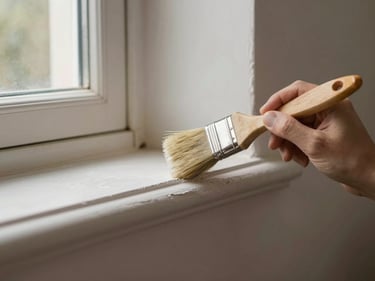
Painting
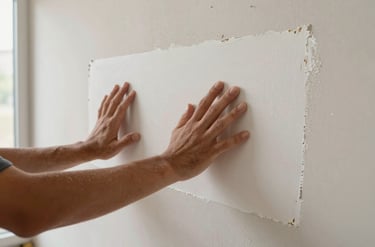
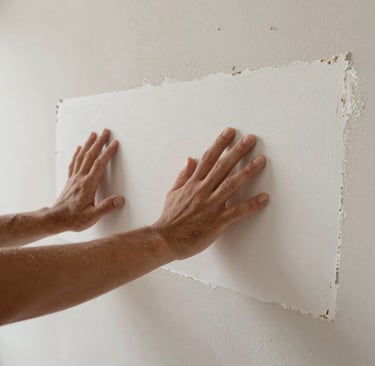
Patch work, water-damage repair, and full panel replacement — matched to existing plaster texture so the repair doesn't announce itself.
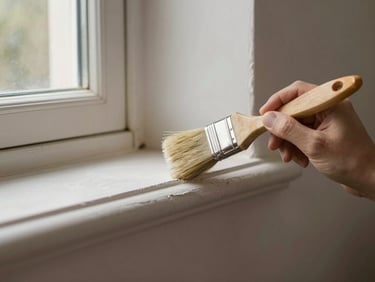
Interior rooms, trim, and ceilings — proper prep on older walls, including surfaces with multiple paint layers or questionable adhesion.
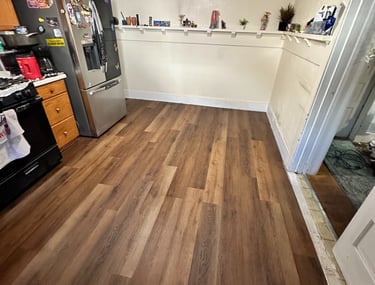
Flooring
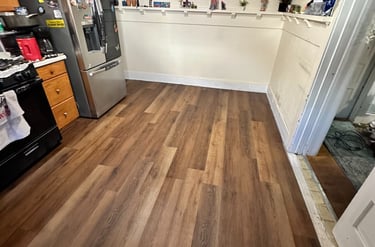
installation, repair, and maintenance of all types of flooring including hardwood, laminate, vinyl, tile, and carpet. We ensure precise workmanship, durable finishes, and clean, efficient service to enhance the look, safety, and value of your space.
You know what you're getting before we start.
Typical jobs we handle
Breaker panel work, outlet and switch replacement, fixture installs, drain repairs, supply shutoffs, faucet and toilet replacement, drywall patches up to full walls, interior painting with proper prep.
What falls outside our scope
New construction, full remodels requiring permits pulled by a GC, HVAC, roofing, and structural work. If the job is outside our scope, we'll tell you straight.
Every job starts with a clear verbal walkthrough of what's included, what isn't, and what it costs. No scope creep, no invoice surprises.
Know what you need? Let's talk.
Describe the job — electrical, plumbing, drywall, or paint — and get a straight answer on whether it fits and what it costs.
Pages
Home
Services
About
Contact
Reach us
brothers@brothershomeservicesla.com
+1(213)705-4811/ English
+1(323)797-2839
Serving homes across the Los Angeles area
Mon – Sat, 7 am – 6 pm
(C) 2026 BROTHERS HOME SERVICES LA; GETS IT DONE, Your house in good hands.
No excuses — just done